Founded in
2018
Years of product engineering across mobile, SaaS, backend, and web systems support reliable cross-platform app development.
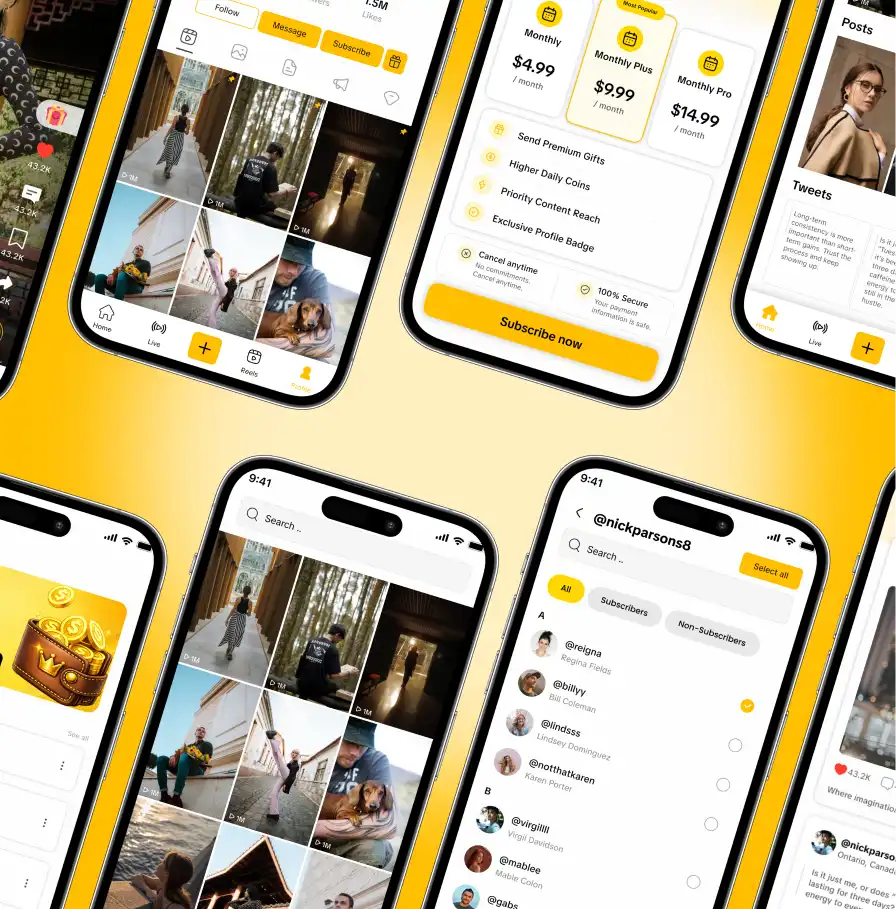
 DapkeSocial video app with live streaming and PK battles.
 Lika Real EstateProperty discovery platform for listings and leads.
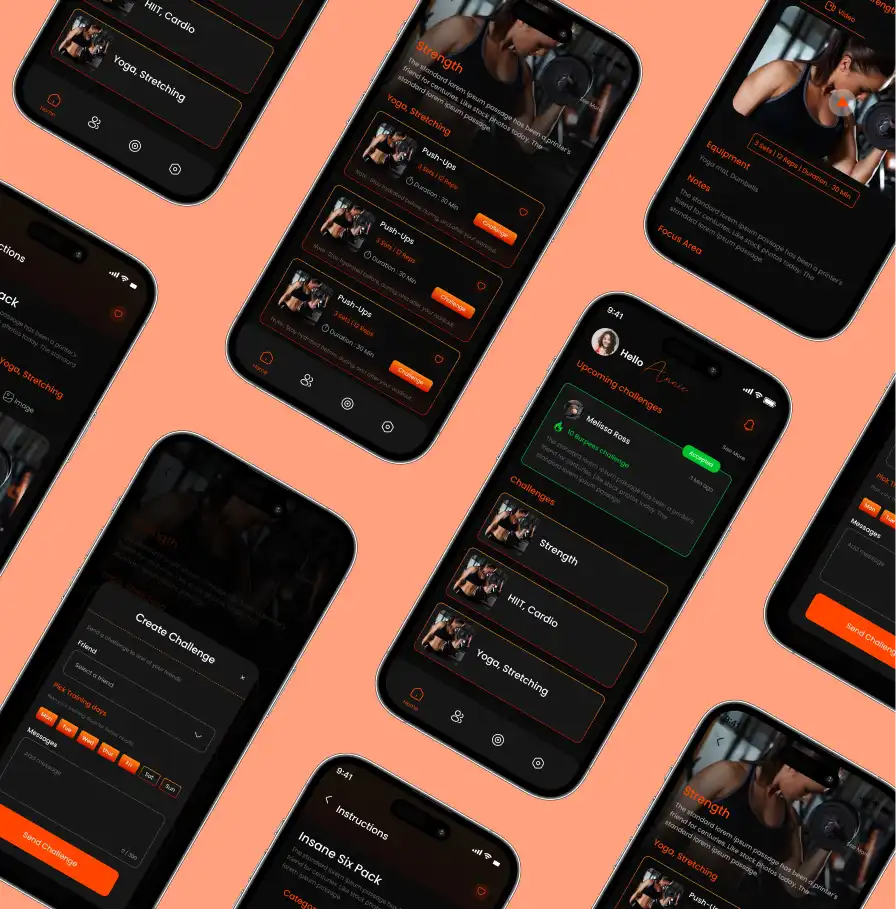
 BurpoutSocial fitness challenges that keep people moving.
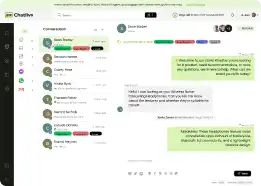
 ChatLivoConnected customer communication SaaS workspace.
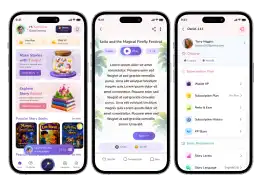
 EmoTalesAI storytelling adventures designed for children.
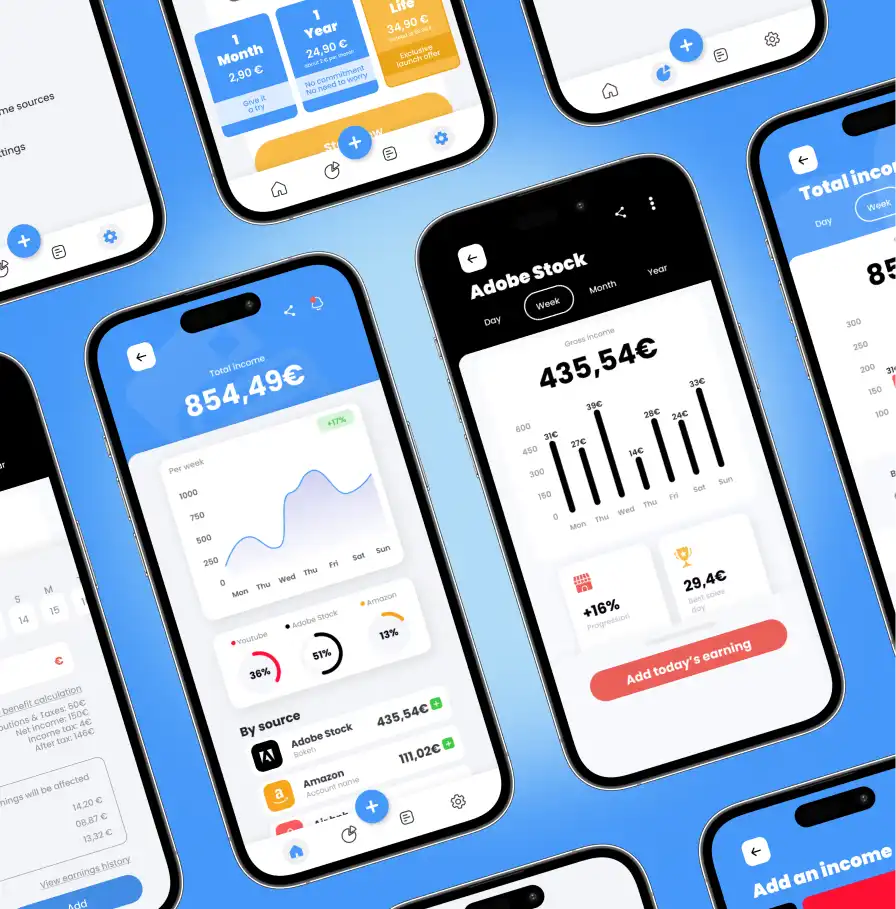
 EarnifyTrack Income from Multiple Sources with Analytics & Tax Planning.
Primocys delivers cross-platform mobile app development with Flutter and React Native when shared development makes sense, while using Swift or Kotlin for platform-specific needs. We build maintainable mobile products that work reliably across iOS and Android.
Get a Cross-Platform App Estimate


A strong cross-platform app development approach keeps shared product logic maintainable as the product grows. Our cross-platform mobile app development preserves the iOS and Android behavior users expect while using native capabilities where required.
Design a shared application architecture that keeps business logic reusable across iOS and Android while allowing platform-specific behavior where required.
Connect native iOS and Android capabilities through platform APIs, plugins and native modules when cross-platform code alone isn’t enough.
Build adaptive mobile interfaces with reusable components that maintain consistent UX across different screen sizes and device behaviors.
Build secure APIs and backend services for authentication, data, business logic, third-party integrations and mobile app communication.
Support offline workflows with local data storage, background synchronization, retry handling and reliable data updates when connectivity returns.
Prepare, test and manage production releases for Apple App Store and Google Play, including build configuration, signing, versioning and deployment.
Proven mobile product engineering across shared codebases, native integrations, backend systems, and production releases for iOS and Android.
2018
Years of product engineering across mobile, SaaS, backend, and web systems support reliable cross-platform app development.
We build and support real mobile products across consumer, SaaS, social, AI, communication, and service use cases.

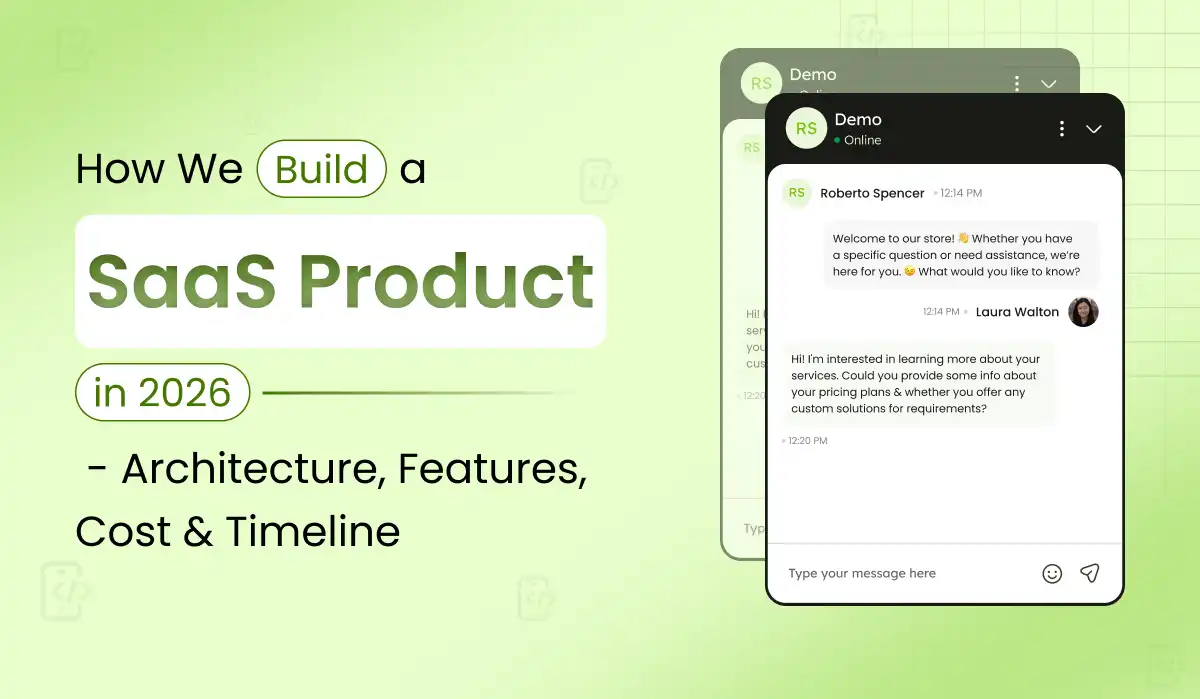
AI-Powered Live Chat for Businesses

AI Stories & Learning Companion for Kids
One team across mobile, backend, APIs, cloud, realtime systems, and deployment—without splitting the product between multiple vendors.
Every project moves from discovery and architecture through development, real-device QA, store release, and ongoing improvement.
1,200+ products delivered across mobile, web and SaaS, helping startups and enterprises launch reliable digital products across global markets.














Build scalable iOS and Android products with cross-platform mobile development, flexible architecture, and framework choices aligned with your product goals.
01
One Dart codebase for iOS and Android when Flutter fits the UI, roadmap and team.
02
React/TypeScript mobile delivery when ecosystem alignment makes it the stronger choice.
03
Launch a focused iOS/Android product without automatically funding two independent codebases.
04
Assess existing Swift/Kotlin apps and migrate only where the business case supports it.
05
Audit architecture, dependencies, APIs, native modules and release health before changing working code.
06
Scoped and implemented around the product’s actual requirements, existing systems and long-term maintenance needs.
Explore mobile products designed around finance, social engagement and fitness workflows, with focused user experiences built for real-world product needs.
Users needed a clear mobile experience to track income, review financial activity and understand earnings across different sources and subscription plans.
We designed a mobile finance experience with income dashboards, weekly and monthly views, source-based tracking, subscription options and focused financial insights.
Creators needed a mobile platform to share content, connect with followers and manage subscriptions while keeping discovery and engagement simple for users.
We designed a social mobile experience combining creator profiles, content feeds, subscriptions, messaging, follower management and interactive user engagement.
Fitness users needed a focused mobile experience to discover workouts, follow exercise plans and participate in personalized challenges without unnecessary complexity.
We designed a fitness platform with structured workout routines, exercise guidance, challenge creation, user profiles and progress-focused interactions.
We build scalable mobile products for iOS and Android, using shared architecture where it improves delivery, maintenance and long-term product growth.
Get a Free Estimate
Turn an early product idea into a focused MVP with the core features, scalable backend and architecture needed to validate the product and grow beyond launch.
Extend your SaaS platform to mobile with secure account access, real-time data, notifications and workflows that stay connected to your existing product.
Build buyer, seller and service workflows with search, payments, location features, messaging, bookings and real-time updates where the product requires them.
Develop engaging mobile experiences with profiles, feeds, chat, media sharing, notifications and real-time communication designed for reliable everyday use.
Connect users, providers and service teams through appointment flows, profiles, records, notifications and secure integrations built around the product workflow.
Bring AI features into mobile products through chat, recommendations, content generation, intelligent workflows and API-based AI services built for real use cases.
Reduce duplicated development, simplify maintenance and keep iOS and Android aligned around one product roadmap without sacrificing essential native capabilities.
Plan features, releases and improvements around one shared product roadmap instead of managing separate development tracks for iOS and Android.
Maintain a shared codebase for common functionality, reducing duplicated fixes and making updates easier to manage as the product evolves.
Deliver core features across both platforms with consistent product behavior, UI patterns and business logic while supporting platform-specific needs.
Test, refine and release product changes across iOS and Android without rebuilding the same core functionality twice from the ground up.
Launch essential features across both platforms with a focused initial scope, then expand the product as user feedback and business priorities become clearer.
Use native Swift or Kotlin modules when platform-specific APIs, device capabilities or performance requirements make native implementation the practical choice.
Choose the right mobile architecture for your product. Our Flutter vs React Native vs Native guide explains key differences in performance, integrations and maintenance.




Our B2B and B2C platform helps Nigerian manufacturers sell at wholesale prices and suppliers offer competitive retail pricing, with a strong focus on Made in Africa products and easy local and international distribution. The app has received excellent user reviews for its design and unique features. Communication with the Primocys team was smooth in an agile setup, even beyond office hours when needed. Their mobile app development expertise is excellent—highly professional and reliable.
We hired Primocys to develop a highly complex and specialized mobile application, and they delivered outstanding results. The app includes advanced features such as timeline mixers, classifieds, payments, advertisements, GPS functionality, and more. Their technical skills, timely delivery, availability, and the personal attention Arpan Sagar brings to each project truly stand out. The team stays focused and committed from start to finish—an excellent experience overall.
The dating app was delivered successfully and approved by both Apple App Store and Google Play. Our users are highly impressed with the design, UI, and overall functionality. The project was well planned with clear milestones, and all modules were delivered on time. The team is talented, patient, and flexible, accommodating multiple scope revisions as requirements evolved. Their 24/7 development and support availability made the entire process smooth and reliable.
Great team with excellent communication and a strong commitment to on-time delivery. They developed a fully customized mobile app for both Android and iOS, perfectly matching our requirements. The entire process was smooth and professional, with clear updates at every stage. They are reliable, skilled, and very easy to work with. We’re continuing our partnership on more projects, and choosing them has been one of the best business decisions I’ve made.
Our team understands shared codebases and native iOS and Android layers, helping manage integrations, OS updates, performance and store releases with fewer surprises.
Build cross-platform products with Flutter or React Native based on the product requirements, existing stack, integrations and long-term technical needs.
Work across native iOS and Android layers when platform APIs, device features, performance requirements or OS-specific behavior call for native implementation.
Connect the mobile app with backend services, APIs, databases, authentication, cloud infrastructure and third-party systems required to run the complete product.
Cover product planning, UI/UX, development, testing, app-store preparation and production deployment through one connected delivery process.
Audit existing code, dependencies and architecture before taking over development, fixing technical issues and continuing the product roadmap with minimal disruption.
Choose the framework around actual product needs rather than forcing every project into one stack, with a clear path for native extensions when required.
Separate shared product logic from platform-specific code to keep mobile apps maintainable, scalable and ready for native integrations.
Build reusable UI components, navigation patterns and design tokens for a consistent experience across iOS and Android while supporting platform-specific interface needs.
Keep core product rules, workflows and validation separate from the interface so shared business logic remains easier to test, maintain and extend across platforms.
Connect the mobile app with APIs, local storage and backend services while handling caching, synchronization and reliable data flow between the device and server.
Isolate native modules for device capabilities, payments, notifications, background tasks and third-party SDKs without unnecessarily duplicating the shared application codebase.
Integrate authentication, payments, analytics, messaging, cloud services and external APIs through clearly defined service boundaries that keep mobile dependencies manageable.
Support reliable builds and releases with environment management, crash monitoring, performance tracking, testing and controlled deployment across iOS and Android.
We select frameworks , native tools, APIs and cloud services around your product needs, performance goals, integrations and long-term maintenance.
Framework, architecture, integrations and release requirements are validated early so development stays predictable as your iOS and Android product grows.
Have an existing native, hybrid, Flutter or React Native app? Primocys audits your codebase, architecture, APIs and dependencies to identify migration risks, modernize legacy components and plan a practical path for ongoing development.
Review existing code, third-party libraries, framework versions and technical constraints to identify maintenance issues, compatibility risks and opportunities for improvement.
Assess API contracts, authentication, database dependencies and third-party integrations to preserve existing functionality and plan reliable connections with the updated application.
Compare Flutter, React Native and native development options against your app’s features, performance needs, budget and release plans before selecting a migration approach.
Update legacy modules in manageable stages, improve shared components and retain essential existing functionality while reducing disruption to active users and ongoing releases.
Review app signing, provisioning profiles, bundle identifiers and store configurations to plan release continuity and protect existing app listings wherever the migration allows.
Prioritize outdated dependencies, fragile modules, testing gaps and performance bottlenecks in a phased roadmap aligned with your product goals, engineering capacity and budget.
Build consistent iOS and Android experiences with shared codebases, tailored to your industry’s workflows, integrations and security needs. Native development remains an option when specific features require it.
Extend SaaS products to mobile with dashboards, team collaboration, task management, push notifications and account access connected to existing business systems.
Create customer, vendor and delivery apps with bookings, real-time order updates, location tracking, payments and notifications across iOS and Android.
Develop social networking and creator platforms with user profiles, content feeds, media uploads, messaging, notifications and audience engagement features.
Build patient and provider apps for appointment scheduling, telehealth, secure communication, health records and integration with relevant clinical systems.
Deliver mobile finance experiences with account dashboards, transaction history, payment workflows and secure authentication aligned with applicable security requirements.
Create learning and AI-powered apps with digital courses, quizzes, progress tracking, personalized recommendations and AI-assisted learning experiences.
Cross-platform app development cost depends on product scope, features, integrations, backend complexity, QA and platform requirements. Shared code can reduce duplicated mobile work without eliminating other delivery costs.
A focused first release with core features on iOS and Android keeps cost controlled and proves the product before you scale.
More roles, features and integrations raise effort, so we plan reusable modules that grow without rebuilding the app.
Live video, chat, calls or device features often need native modules and deeper testing, which increases engineering and QA effort.
APIs, databases, admin panels and cloud setup sit outside the mobile code and often drive a large share of the budget.
Payments, notifications, background tasks and third-party SDKs may need Swift or Kotlin code on top of the shared build.
We review your features, systems and platforms first, then share a scoped estimate instead of a one-size-fits-all price.
Find answers about cross-platform app development, Flutter vs React Native, native vs shared code, app migration, development cost, store submission and source code ownership.
Launch a reliable iOS and Android app with the right framework, architecture and native integrations for your product.
Get Your App Estimate
Services to help businesses establish and enhance their online presence.
Contact Us
Hear from our clients and why 1200+ businesses trust Primocys

"Our B2B and B2C platform helps Nigerian manufacturers sell at wholesale prices and suppliers offer competitive retail pricing, with a strong focus on Made in Africa products and easy local and international distribution. The app has received excellent user reviews for its design and unique features. Communication with the Primocys team was smooth in an agile setup, even beyond office hours when needed. Their mobile app development expertise is excellent—highly professional and reliable."
"The dating app was delivered successfully and approved by both Apple App Store and Google Play. Our users are highly impressed with the design, UI, and overall functionality. The project was well planned with clear milestones, and all modules were delivered on time. The team is talented, patient, and flexible, accommodating multiple scope revisions as requirements evolved. Their 24/7 development and support availability made the entire process smooth and reliable."
" We hired Primocys to develop a highly complex and specialized mobile application, and they delivered outstanding results. The app includes advanced features such as timeline mixers, classifieds, payments, advertisements, GPS functionality, and more. Their technical skills, timely delivery, availability, and the personal attention Arpan Sagar brings to each project truly stand out. The team stays focused and committed from start to finish—an excellent experience overall."
" Great team with excellent communication and a strong commitment to on-time delivery. They developed a fully customized mobile app for both Android and iOS, perfectly matching our requirements. The entire process was smooth and professional, with clear updates at every stage. They are reliable, skilled, and very easy to work with. We’re continuing our partnership on more projects, and choosing them has been one of the best business decisions I’ve made."
AWARDS
TRUSTED BY GLOBAL BRANDS