Founded in
2018
Years of product engineering across mobile, SaaS, backend, and web systems give us the foundation to modernize existing applications around real business workflows.
 DapkeSocial video app with live streaming and PK battles.
 Lika Real EstateProperty discovery platform for listings and leads.
 BurpoutSocial fitness challenges that keep people moving.
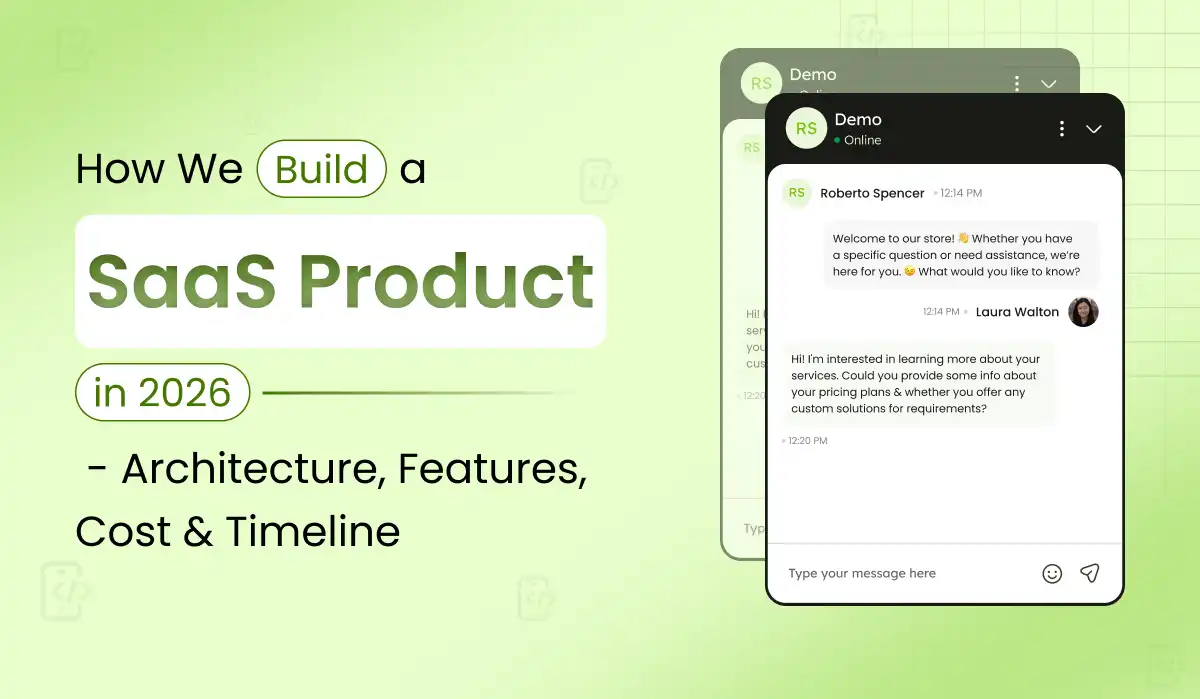
 ChatLivoConnected customer communication SaaS workspace.
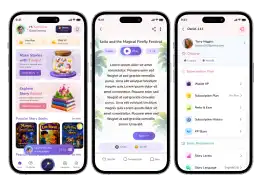
 EmoTalesAI storytelling adventures designed for children.
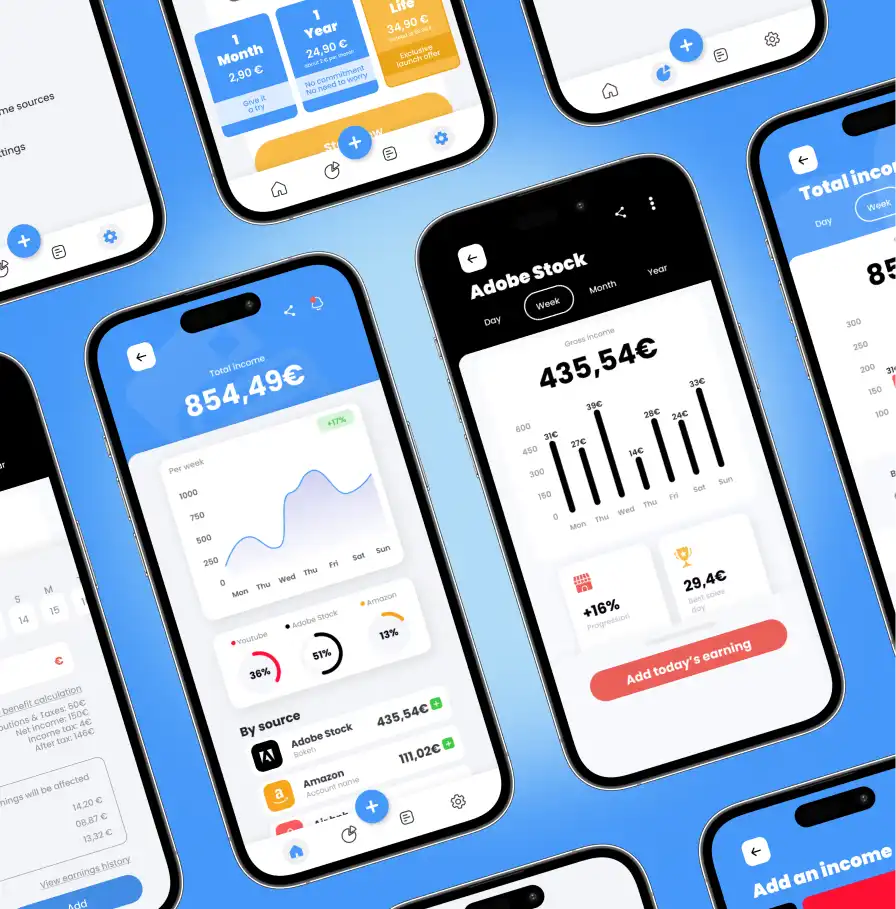
 EarnifyTrack Income from Multiple Sources with Analytics & Tax Planning.
Your existing application may still run the business, but slow releases, aging dependencies, difficult integrations and outdated UX can hold it back. Primocys provides legacy application modernization to improve what needs to change while protecting the workflows, data and functionality that still work.
Request Modernization Assessment



Modernization is not automatically a rewrite. We first identify which parts create risk, slow releases or block integrations—and which parts still work well.
Review architecture, dependencies, APIs, data, infrastructure and deployment before recommending change.
Improve maintainability and restructure fragile areas while preserving working business behavior.
Move to a supported framework, runtime, hosting environment or managed platform when justified.
Redesign tightly coupled components and service boundaries when architecture itself blocks progress.
Refresh dated interfaces without forcing unnecessary backend replacement.
Expose legacy capabilities through cleaner APIs or middleware for modern apps and services.
Modernize legacy mobile, web and SaaS products with practical architecture, integrations, cloud and delivery expertise—without unnecessary rewrites.
2018
Years of product engineering across mobile, SaaS, backend, and web systems give us the foundation to modernize existing applications around real business workflows.
Our product engineering experience spans connected web, mobile and SaaS products, giving teams a practical foundation for modernizing interfaces, APIs, workflows and application architecture.

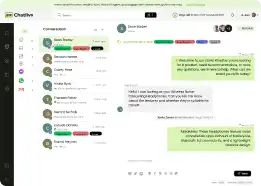
AI-Powered Live Chat for Businesses

AI Stories & Learning Companion for Kids
One team across software, APIs, mobile, cloud, data, and deployment—helping modernize legacy systems without losing critical workflows or integrations.
Every modernization project follows a clear path from system discovery to deployment—assessing risks, defining architecture, modernizing components, testing integrations, and stabilizing releases.
Modernize legacy mobile, web and SaaS products with experienced engineers, proven delivery and the technical depth to handle complex systems.















Primocys provides legacy application modernization to improve aging systems, modernize critical layers and plan broader application transformation based on the system’s actual condition.
01
Incrementally improve aging web, mobile or business applications while protecting essential workflows and data.
02
Upgrade outdated iOS/Android apps, frameworks, architecture, UI, APIs and store compatibility.
03
Move legacy web applications toward maintainable frontend/backend patterns and deployment.
04
Move suitable workloads from legacy hosting to scalable cloud or managed services.
05
Refactor monoliths, introduce modular boundaries and separate high-change components where justified.
06
Improve schemas, migrations and access patterns while preserving data integrity.
See how modernization-focused engineering can improve mobile products across finance, social platforms and fitness while preserving the workflows users depend on.
The product needed a simpler way for users to monitor earnings, organize income sources and review financial activity across multiple subscription options.
We shaped the mobile experience around income summaries, period-based reporting, source-level tracking, subscription management and straightforward financial views.
Creators needed a mobile product where they could publish content, build follower relationships and manage paid subscriptions without making discovery or engagement complicated.
The platform brought together creator profiles, personalized content feeds, messaging, subscriber management and social interactions within a streamlined mobile experience.
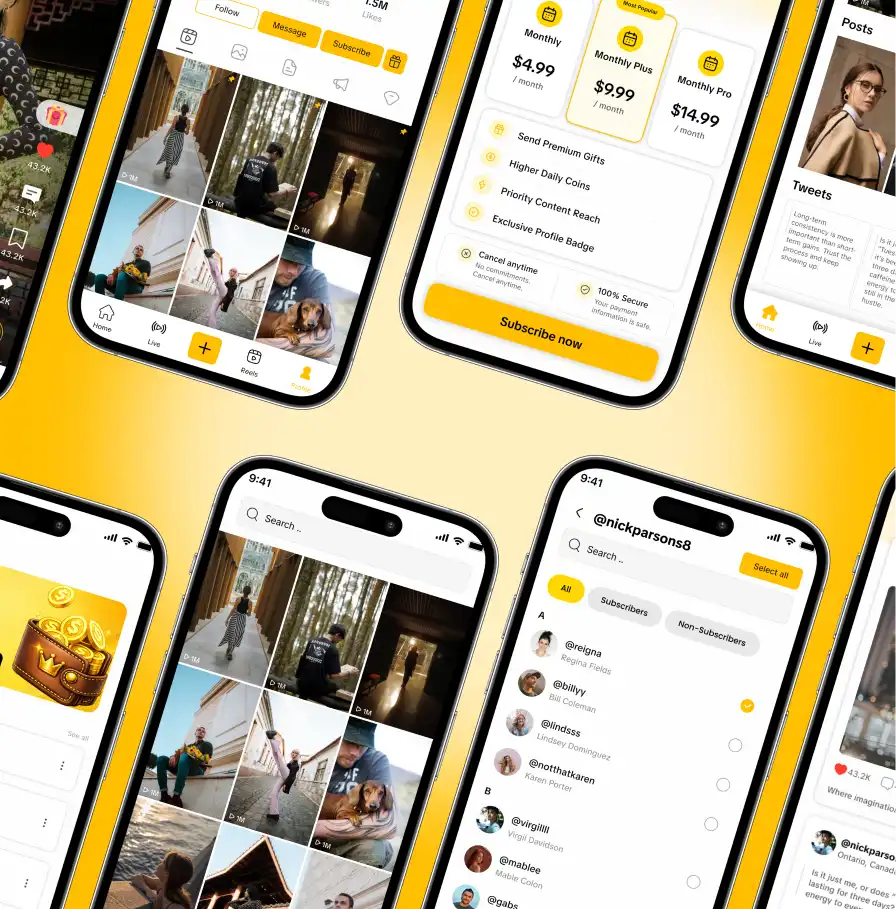
Users needed an accessible way to find suitable workouts, follow structured routines and take part in fitness challenges without navigating an overloaded interface.
The product combined guided exercises, organized workout programs, challenge-based activities, user profiles and progress-oriented interactions into one mobile experience.
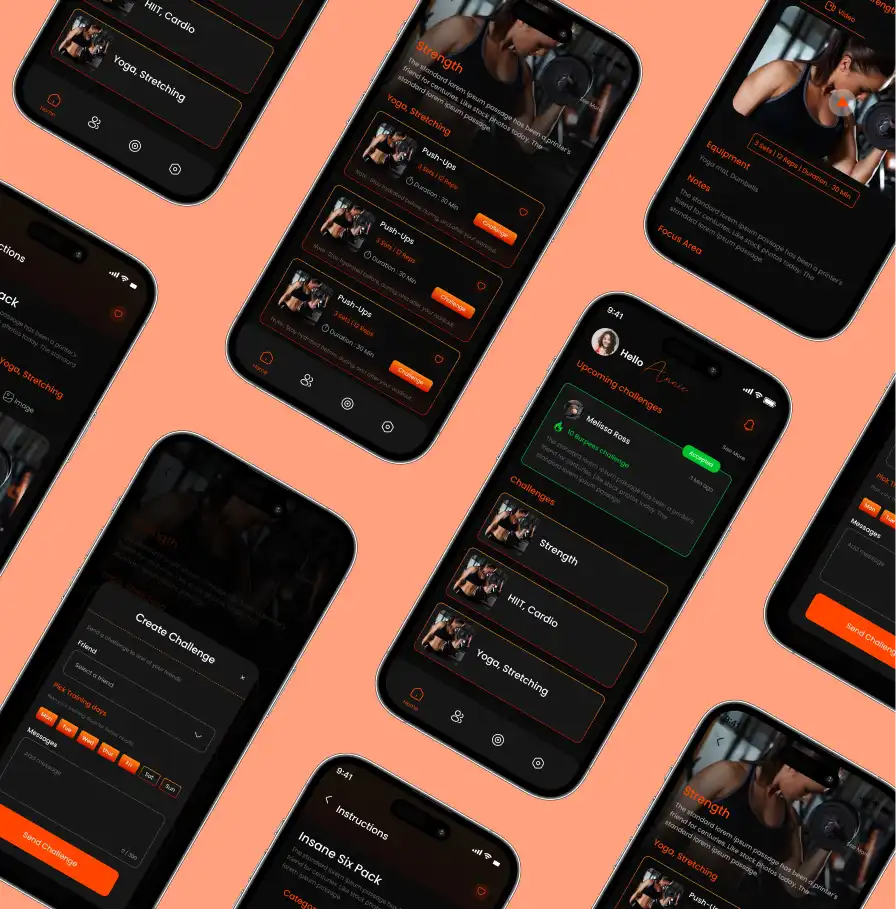
An application does not need modernization simply because it is old. It needs it when keeping the system unchanged creates growing business or technical constraints.
Get a Modernization Assessment
Small changes require disproportionate testing, manual deployment or risky edits.
Unsupported frameworks and libraries create security, compatibility and hiring problems.
Old workflows create friction on current devices, browsers or operating systems.
The system cannot easily connect to modern APIs, SaaS, payments, AI or internal tools.
Queries, APIs, infrastructure or architecture are affecting real usage.
Concentrated knowledge and fragile releases turn technical debt into business risk.
Application modernization should deliver measurable business value by reducing release risk, maintenance friction, poor UX, integration constraints and performance issues.
Clearer boundaries, tests and delivery processes reduce unintended impact.
Supported technology and maintainable architecture make continued improvement practical.
Modern APIs make CRM, ERP, AI, payment and partner connections easier to manage.
Modernize UI and performance without necessarily replacing every backend component.
Replace unsupported dependencies and fragile infrastructure where they create exposure.
A system developers can understand, test and deploy is easier to evolve.
Not every legacy application needs a rebuild. We assess the system first and identify the right path—from stabilization and refactoring to re-platforming, re-architecture or phased replacement.
When the core works and the problem is reliability, dependencies, testing or deployment.
When business logic is valuable but parts of the codebase are difficult to maintain.
When functionality can remain but the framework, runtime or infrastructure needs replacement.
When coupling, scale or integration boundaries prevent the product from evolving.
When high-risk modules need replacement but a big-bang rewrite adds unnecessary risk.
When evidence shows incremental modernization is less viable than replacement.
Application modernization should deliver measurable business value by reducing release risk, maintenance friction, poor UX, integration constraints and performance issues.



Our B2B and B2C platform helps Nigerian manufacturers sell at wholesale prices and suppliers offer competitive retail pricing, with a strong focus on Made in Africa products and easy local and international distribution. The app has received excellent user reviews for its design and unique features. Communication with the Primocys team was smooth in an agile setup, even beyond office hours when needed. Their mobile app development expertise is excellent—highly professional and reliable.
We hired Primocys to develop a highly complex and specialized mobile application, and they delivered outstanding results. The app includes advanced features such as timeline mixers, classifieds, payments, advertisements, GPS functionality, and more. Their technical skills, timely delivery, availability, and the personal attention Arpan Sagar brings to each project truly stand out. The team stays focused and committed from start to finish—an excellent experience overall.
The dating app was delivered successfully and approved by both Apple App Store and Google Play. Our users are highly impressed with the design, UI, and overall functionality. The project was well planned with clear milestones, and all modules were delivered on time. The team is talented, patient, and flexible, accommodating multiple scope revisions as requirements evolved. Their 24/7 development and support availability made the entire process smooth and reliable.
Great team with excellent communication and a strong commitment to on-time delivery. They developed a fully customized mobile app for both Android and iOS, perfectly matching our requirements. The entire process was smooth and professional, with clear updates at every stage. They are reliable, skilled, and very easy to work with. We’re continuing our partnership on more projects, and choosing them has been one of the best business decisions I’ve made.
Before planning application modernization, we review the existing architecture, codebase, dependencies, data, integrations and infrastructure—not just the feature list.
Framework versions, packages, architecture, duplication, tests and high-risk areas.
Hosting, environments, CI/CD, secrets, observability, scaling and backups.
Internal/external APIs, authentication, webhooks and undocumented dependencies.
Schemas, migrations, volume, access patterns, retention and migration constraints.
High-friction screens, outdated navigation and workflows users still depend on.
Authentication, authorization, dependency exposure and operational access patterns.
A modern technology stack across frontend, mobile, backend, databases, integrations and cloud platforms.
Software modernization needs deeper discovery than greenfield builds, so we plan a phased migration around the users, data and operations on your system.
Primocys combines full-stack product engineering with modernization expertise, helping teams improve legacy systems without disrupting the products, workflows and users already in place.
Mobile, frontend, backend, APIs, databases, cloud and integrations reviewed as one system.
Favor targeted modernization over blanket rewrites when stable components can remain.
Migration, rollback, environments, monitoring and continuity are part of the plan.
AI can often be integrated through APIs or middleware while modernizing only what needs change.
Work from an inherited repository, architecture or partial product rather than requiring a greenfield start.
Select target architecture for supportability and product evolution, not only migration.
Application modernization cost depends on the codebase, architecture, integrations, data, infrastructure and migration risk—not simply the number of screens or features.
A contained framework upgrade, UI refresh, dependency update, API layer or infrastructure improvement.
Replace or refactor one important product domain while the rest keeps operating.
Architecture, data, cloud and module improvements delivered through a staged roadmap.
A new system with planned data migration when evidence shows incremental modernization is not sensible.
Code condition, platforms, data, integrations, architecture change, tests, compliance and downtime tolerance.
A technical assessment is the best first step when the current system has significant unknowns.
Find answers about app modernization services, modernize vs rebuild decisions, app takeover, cloud migration, AI integration, cost, timeline and data safety.
Ready to move beyond legacy constraints? Get a practical modernization plan built around your application, priorities and business goals.
Get Your Modernization Estimate
Services to help businesses establish and enhance their online presence.
Contact Us
Hear from our clients and why 1200+ businesses trust Primocys

"Our B2B and B2C platform helps Nigerian manufacturers sell at wholesale prices and suppliers offer competitive retail pricing, with a strong focus on Made in Africa products and easy local and international distribution. The app has received excellent user reviews for its design and unique features. Communication with the Primocys team was smooth in an agile setup, even beyond office hours when needed. Their mobile app development expertise is excellent—highly professional and reliable."
"The dating app was delivered successfully and approved by both Apple App Store and Google Play. Our users are highly impressed with the design, UI, and overall functionality. The project was well planned with clear milestones, and all modules were delivered on time. The team is talented, patient, and flexible, accommodating multiple scope revisions as requirements evolved. Their 24/7 development and support availability made the entire process smooth and reliable."
" We hired Primocys to develop a highly complex and specialized mobile application, and they delivered outstanding results. The app includes advanced features such as timeline mixers, classifieds, payments, advertisements, GPS functionality, and more. Their technical skills, timely delivery, availability, and the personal attention Arpan Sagar brings to each project truly stand out. The team stays focused and committed from start to finish—an excellent experience overall."
" Great team with excellent communication and a strong commitment to on-time delivery. They developed a fully customized mobile app for both Android and iOS, perfectly matching our requirements. The entire process was smooth and professional, with clear updates at every stage. They are reliable, skilled, and very easy to work with. We’re continuing our partnership on more projects, and choosing them has been one of the best business decisions I’ve made."
AWARDS
TRUSTED BY GLOBAL BRANDS